
6. Observed and projected climate change and impacts on other areas
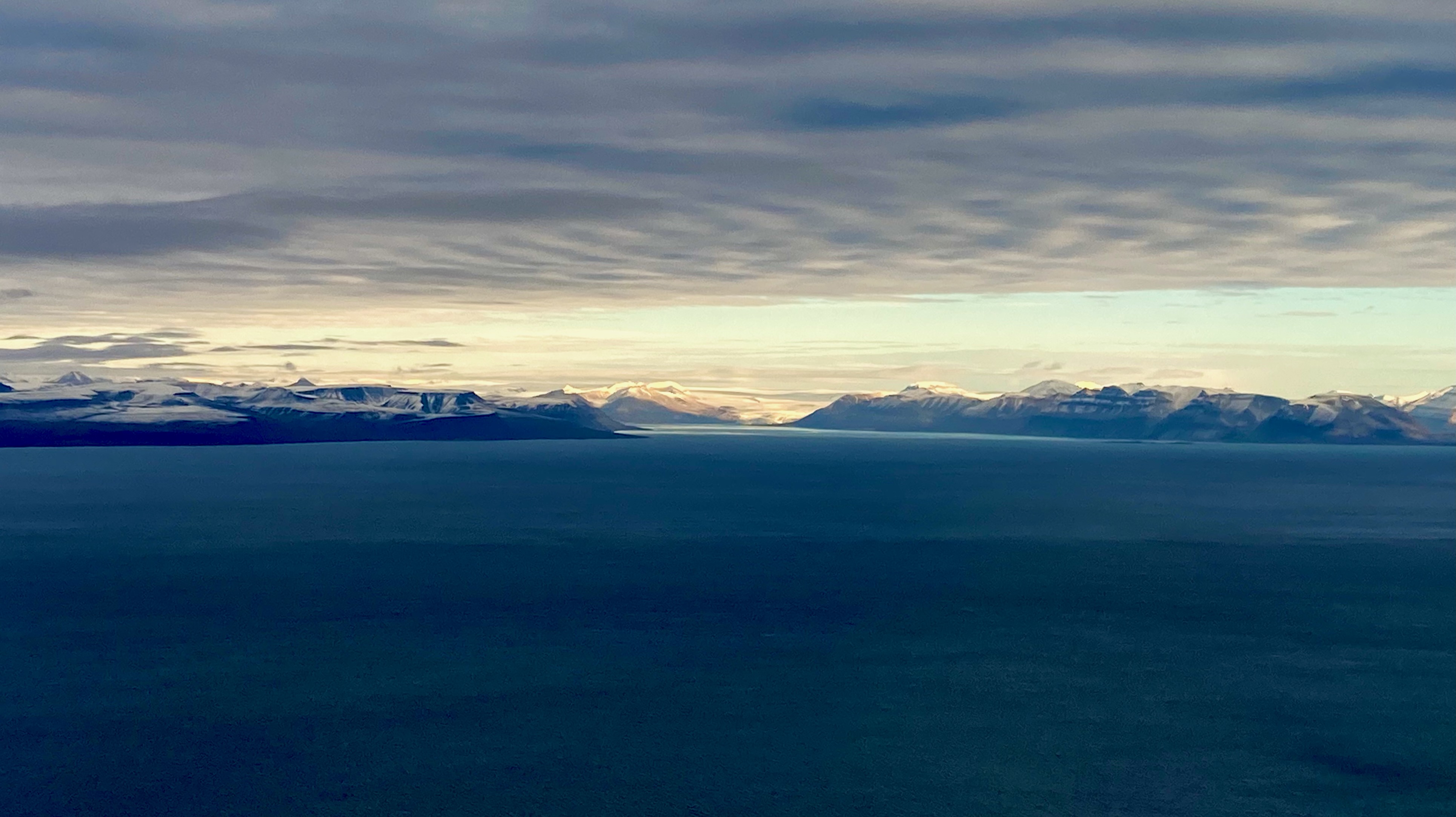
Svalbard is one of the places on Earth with the fastest rate of warming. Since 1961, the mean temperature has increased by 5,6 C (Hanssen-Bauer et al. 2019). The archipelago used to be semi-arid, but that is no longer the case. During recent decades there have been several episodes of heavy rainfall during winter. These changes are bringing about unprecedented changes for the environment in Svalbard, which both directly and indirectly impacts tourism activities on the islands.
6.1 Temperature and precipitation
Over the last 100 years, temperatures have increased by an average rate of 0,3 degrees per decade, with the largest increase observed in winter temperatures. Downscaled CMIP 5 models for various emissions scenarios (RCPs) show a mean annual temperature increase from 3 degrees Celsius (RCP 2.6), 6 degrees Celsius (RCP 4.5) and over 10 degrees Celsius (RCP 8.5) by 2100. It’s worth noting that even the “middle of the road” emission scenario (RCP 4.5) has a high-end projection increase in winter temperatures of 16 degrees Celsius, by the end of the century, and a median annual temperature increase by 5 degrees Celsius by 2050 (see figure 8). If the temperature continues to rise at its current rate of increase, in 100 years, the climate in Svalbard will be like the current climate in Demark (Hanssen-Bauer et al. 2019).
The projected temperature increase will have massive effects on ecosystems. The growing season (successive days per year with temperatures above 5 degrees Celsius) in the Isfjorden area increases from between 2 and 55 days to 128 days by 2100 (see figure 9). The non-glaciated part of Svalbard is projected to increase by three to four months – three to four times the reference period level (1970-2000).
Precipitation is also increasing, and in Longyearbyen, precipitation has increased by over 20% since 1971. By 2100, annual precipitation is projected to increase by 40% compared to the 1971-2000 baseline (see figure 8). Projections show that episodes with rain during winter in the Longyearbyen area will triple (Norsk Klimaservicesenter 2021). An increase of 35% in extreme precipitation events is also projected. These tend to happen in the autumn and winter months.
The snow season has decreased by 20 days from 1958 to 2017, but the amount of snow that has fallen has increased in line with the increased precipitation. Climate projections estimate a further increase in snow, but a rapid shortening of the snow season. The most widespread climate model used for downscaling, the CORDEX, gives a huge difference between the RCP 4,5 and RCP 8,5 scenarios (see see figure 10). With the RCP 8,5 scenario, there will be no snow during winter in the coastal areas around much of the islands. This correspond to Svalbard getting the climate in Denmark.
6.2 Relevance for tourism
The increased temperature is already noticed among tourism operators and has already consequences: the summer season products – day trips with boats, are extending much longer into the autumn than just 10 years ago according to local informants. While autumn on Svalbard used to be short, higher temperatures and less sea ice allows for boat trips and hiking trips during September. The reduced daylight is more of limiting factor during the winter months. With the projected changes, it’s likely that this development will continue if there is demand.
The increase in precipitation is projected to be greatest in autumn and winter. It might therefore have a minimal impact on summer and boat tourism. Increased snowfall in winter creates more days with avalanche risk, as outlined above. Furthermore, a shortening of the snow season (days with snow cover) is likely to shorten the spring season for snowmobile trips, which as of now extends into mid-May. One consequence is that snowmobilers and skiers must traverse glaciers instead of travelling along the coast or in the valleys where there is a lack snow. This comes with its own set of risks that we will outline below. Warmer winters also include more frequently occurring episodes of rainfall, which can cause flooding that block transportation routes.
6.3 Glaciology
The glaciers of Svalbard are rapidly losing mass (Figure 12). A recent survey found a 1,5-meter decline of the Longyear glacier measured during the summer of 2022. Where glaciers that terminate in the fjords are receding, they are altering entire coastal ecosystems. Glacier fronts are hot spots for marine life, particularly for marine mammals in periods where there is no sea ice. Seals are attracted to floating pieces of glacier ice that they can rest on. (NP 2018)
6.4 Relevance for tourism (impacts on and from tourism)
The retreat of glaciers does damage and disrupt major tourism transportation routes in central Spitsbergen, used for snowmobiles, skiers, dog sledders (mushers) and to some extent hikers. The shortening of the snow season and loss of sea ice is forcing a relocation of snowmobile routes towards the inner parts of Spitsbergen, which includes long stretches of glacier and ice cap crossings and higher altitude terrain. This exposes snowmobilers to crevasses and more challenging weather conditions.